



Physiotherapy in Spain is a growing and highly valued profession within the healthcare system. It plays a crucial role in the prevention and treatment of injuries, as well as in postoperative rehabilitation and improving the quality of life for patients with chronic illnesses.
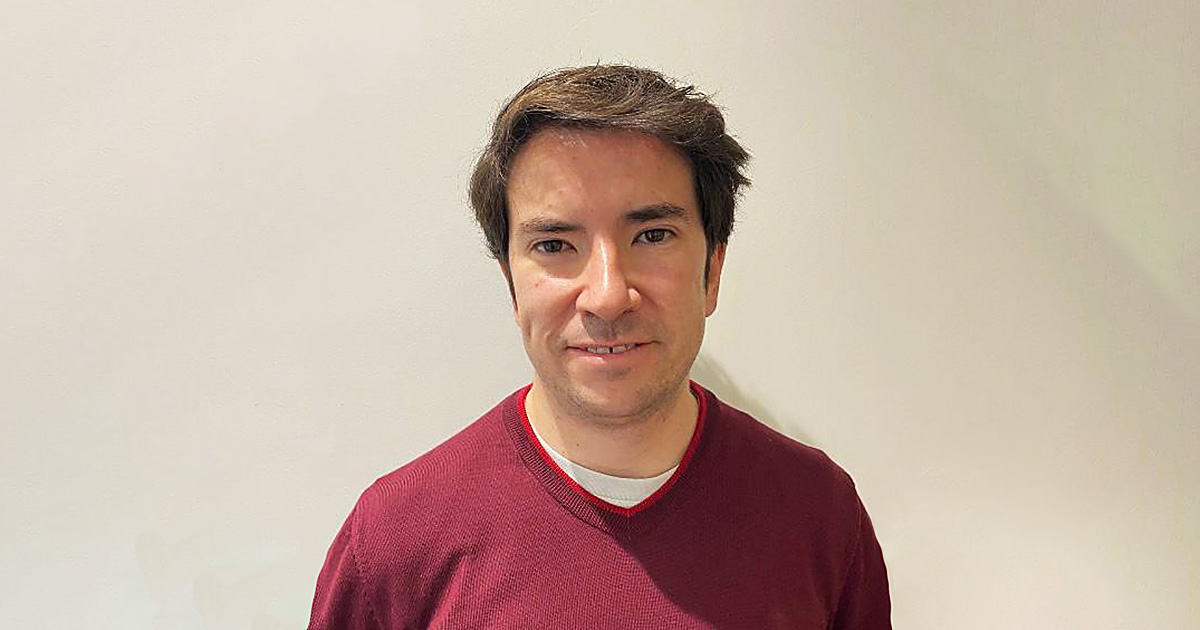
To mark World Physiotherapy Day on September 8th, we spoke with one of the professionals, Álvaro Herrera González, physiotherapist at INIMA Home Rehabilitation, to learn more about this type of therapy.
Which physiotherapy techniques do you prefer to use and why?
The techniques I most enjoy using to treat our patients are manual therapies, such as myofascial release, trigger point therapy, kinesitherapy, and analytical stretching, as they allow us to understand the patient's tissue condition and elicit the necessary response to relieve their pain and/or improve their condition.
How do you adapt treatments to the individual needs of each patient?
Based on an analytical assessment of the patient's condition and overall health, I perform clinical reasoning to apply the most appropriate techniques according to the ailment or pathology of the person I am treating.
What type of exercises do you recommend for rehabilitation at home?
I always recommend, as far as possible, active, functional, strength, proprioception and flexibility exercises, focused on enabling the patient to incorporate them into their daily routine and eventually make them a habit. If they manage to perform them every day, the improvement in the patient's physical and emotional state will be evident.
What do you enjoy most about being a physiotherapist?
It might sound cliché, but the possibility of improving people's lives is the most rewarding aspect of our profession. Intervening in a patient's condition to alleviate their chronic pain, improve their physical activity habits, or simply create a pleasant session for a patient with a chronic illness is something I enjoy every day.
What is the most difficult part of your job?
The frustration of not being able to help a patient who, in some cases unfortunately, does not improve, is the most difficult part of our daily work.
How do you handle patients who don't want to cooperate with treatment?
Through perseverance, by putting myself in the patient's shoes, and by empathizing with their suffering and/or situation, I try to show the patient that if they cooperate with the instructions and the treatment, we will achieve better results than if we do nothing. We try to become a team!


